
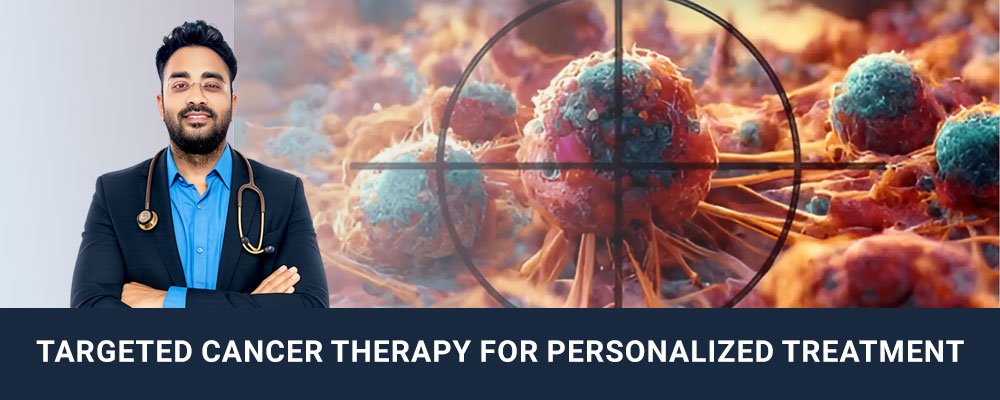
Targeted therapy is an important advancement in modern cancer treatment. Unlike conventional chemotherapy, which generally affects rapidly dividing cells, targeted therapies are designed to act on specific molecules, proteins, receptors, genes, or biological pathways that contribute to cancer growth and survival.
Chemotherapy is not the same for every patient. The medicines, dosage, schedule, duration, and combination of drugs are selected according to the type of cancer, stage of disease, pathology report, previous treatment, overall health, and treatment objective.
How Does Targeted Therapy Work?
Cancer cells may contain genetic or molecular alterations that help them grow, divide, avoid the immune system, or spread to other parts of the body. Targeted medicines are developed to interfere with particular mechanisms involved in cancer development.
Depending on the type of cancer and the medicine being considered, targeted therapy may block a growth signal, interfere with a cancer-related protein, prevent formation of blood vessels supplying a tumor, or act on another specific biological pathway.
The Importance of Biomarker Testing
Targeted therapy is closely connected with biomarker and molecular testing. Before recommending a targeted medicine, the oncologist may evaluate the tumor for specific biomarkers or molecular alterations.
Testing may involve information from a biopsy, pathology examination, immunohistochemistry, molecular testing, or other genomic investigations, depending on the cancer.
This approach helps identify patients who may potentially benefit from a particular treatment.
Targeted Therapy and Other Cancer Treatments
Targeted therapy may sometimes be used as an individual treatment, but in many cases it can be combined with other cancer therapies. Depending on the diagnosis, treatment may involve a combination of:
- Chemotherapy
- Immunotherapy
- Radiation therapy
- Surgery
- Hormonal therapy
- Targeted medicines
- Supportive cancer care
The appropriate combination depends entirely on the individual cancer and available clinical evidence.
Benefits of a Personalized Approach
The major advantage of targeted treatment is its ability to focus on specific characteristics of cancer. However, targeted therapy is not suitable for every cancer patient. The presence or absence of an appropriate biomarker is an important consideration.
Targeted medicines can also cause side effects, and patients require appropriate monitoring during treatment. The risk and type of side effects vary depending on the particular medicine.
Targeted Therapy with Dr. Siddharth Rao
Dr. Siddharth Rao focuses on individualized oncology treatment, considering the patient’s cancer type, stage, pathology, molecular information, previous treatment, and overall health before recommending systemic therapy.
Patients can receive guidance regarding whether molecular or biomarker testing may be relevant to their treatment and which options may be appropriate based on their clinical findings.